- Length of the Stone Bridge, which has 12 arches
- 214 m
- Years the Stone Bridge was built
- 1451 to 1469
- Skopje has traded here since at least then
- 12th century
Start at the Stone Bridge
The Old Bazaar begins at the Stone Bridge, which crosses the Vardar river and connects Macedonia Square with the old quarter. It is 214 metres long, 6 metres wide and has 12 arches. Construction ran from 1451 to 1469. An earthquake in 1555 damaged four of its pillars, and the last reconstruction began in 1994 and took seven years, during which nobody could cross. The watchtower was rebuilt in 2008.
Cross it on foot rather than ride past it, because it is the natural way into the old quarter. The bazaar starts at the far end.
What the Old Bazaar is
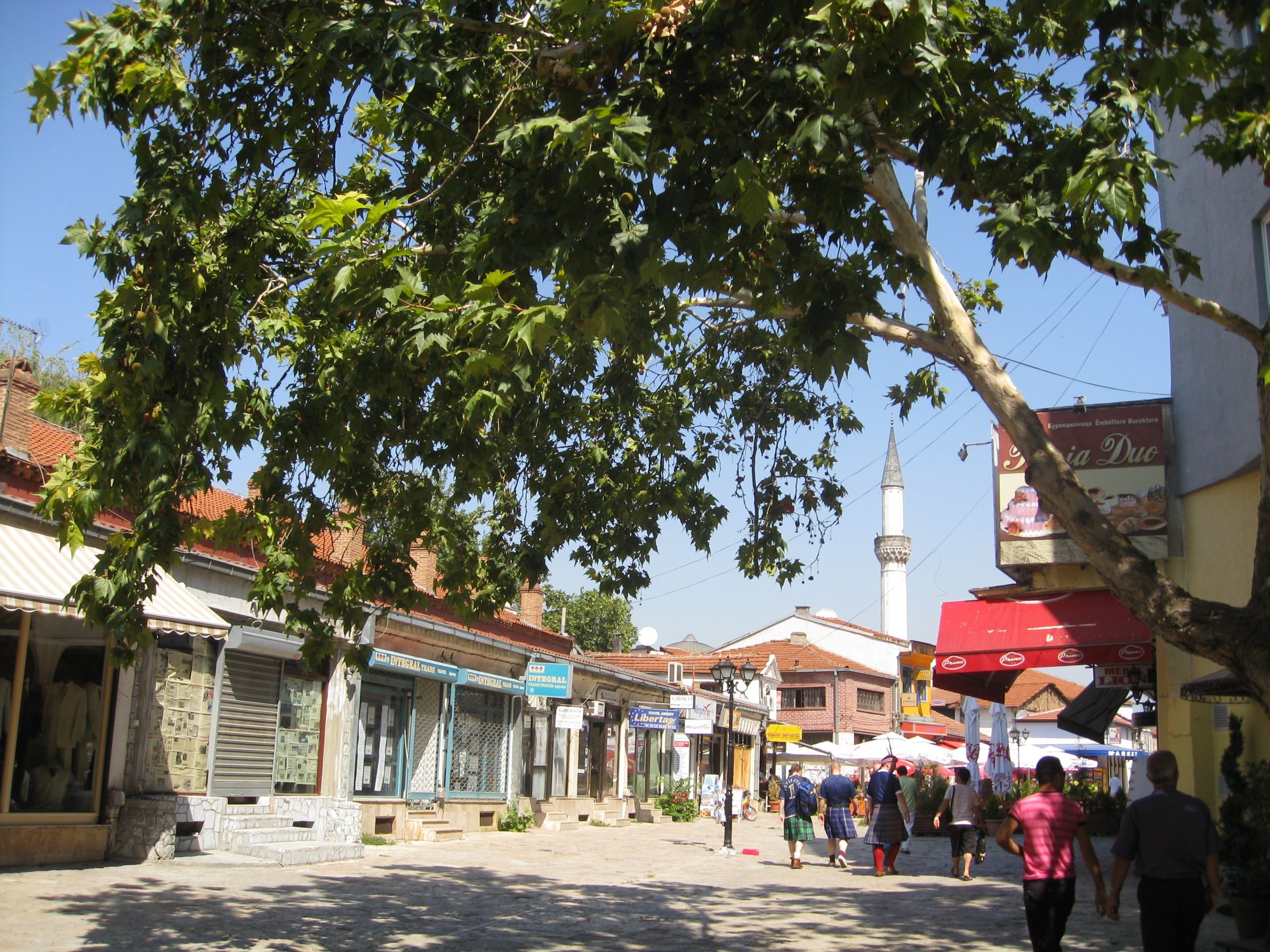
The bazaar lies on the east bank of the Vardar. It stretches from the Stone Bridge to Bit Pazar, and from the Skopje Fortress to the Serava river. Wikipedia says the area has been Skopje’s trade centre since at least the 12th century, and calls it one of the oldest and largest marketplaces in the Balkans. The 1963 earthquake heavily damaged it, and several buildings have been repaired since.
It is still a working district, with craft workshops, galleries, museums and cafes on the same lanes. It is a network of streets rather than a single building, and the pleasure is in wandering.
What to see
- Kapan Han is a 15th-century caravanserai (a merchants’ inn). You can walk in and look around its two floors, which now hold a restaurant.
- Suli Han is another 15th-century inn, with 54 guest rooms upstairs. It now houses the Skopje Academy of Art and the Old Bazaar Museum.
- Daut Pasha Hamam is a 15th-century bathhouse with 15 rooms under 13 domes. It has housed the National Art Gallery since 1948.
- Mustafa Pasha Mosque dates from 1492 and stands on a plateau above the bazaar, with views over the roofs. Entry is listed as free.
- Church of the Holy Saviour is a 19th-century church, half built underground. It holds a wood-carved iconostasis from 1819 to 1824, and the revolutionary Goce Delčev is buried in the courtyard.
- Kuršumli Han is the largest of three remaining caravanserais, built in the 16th century. It now holds the statue collection of the Museum of the Republic of North Macedonia.
- Clock Tower was built in 1572. Wikivoyage counts 105 steps to the top, so ask locally whether you can climb it.
Opening hours for most of these are not published reliably, so we give none. Check on the day, and expect some doors to be shut.
Food and wandering
Bit Pazar, at the north end, is the biggest food market in Skopje. You will find produce, cheese, teas and spices. Wikivoyage suggests tea from the side stalls there and Turkish coffee in the side alleys. It also points to baklava and local sweets in the lanes. Save the eating for the end of the walk, after the buildings.
Fitting it around a Matka day
Matka is west of central Skopje, and the bazaar is in the centre, so the two are easy to join. Our suggestion is to do the canyon first, while it is quieter, and return to the city for the afternoon. The old quarter then makes a good second half: bridge, hans, a hamam, a mosque, and a coffee. A guided walking tour listed on Wikivoyage covers the centre and Old Town in about three hours, which gives a sense of the time you can fill.
If you book a tour, check the itinerary for how long the group spends in the old quarter. Our day tours page explains what to ask. If you go independently, the getting there guide covers buses and taxis to the canyon. The home page has the canyon basics, and where to stay in Skopje covers a base near the bazaar.
Is it worth it?
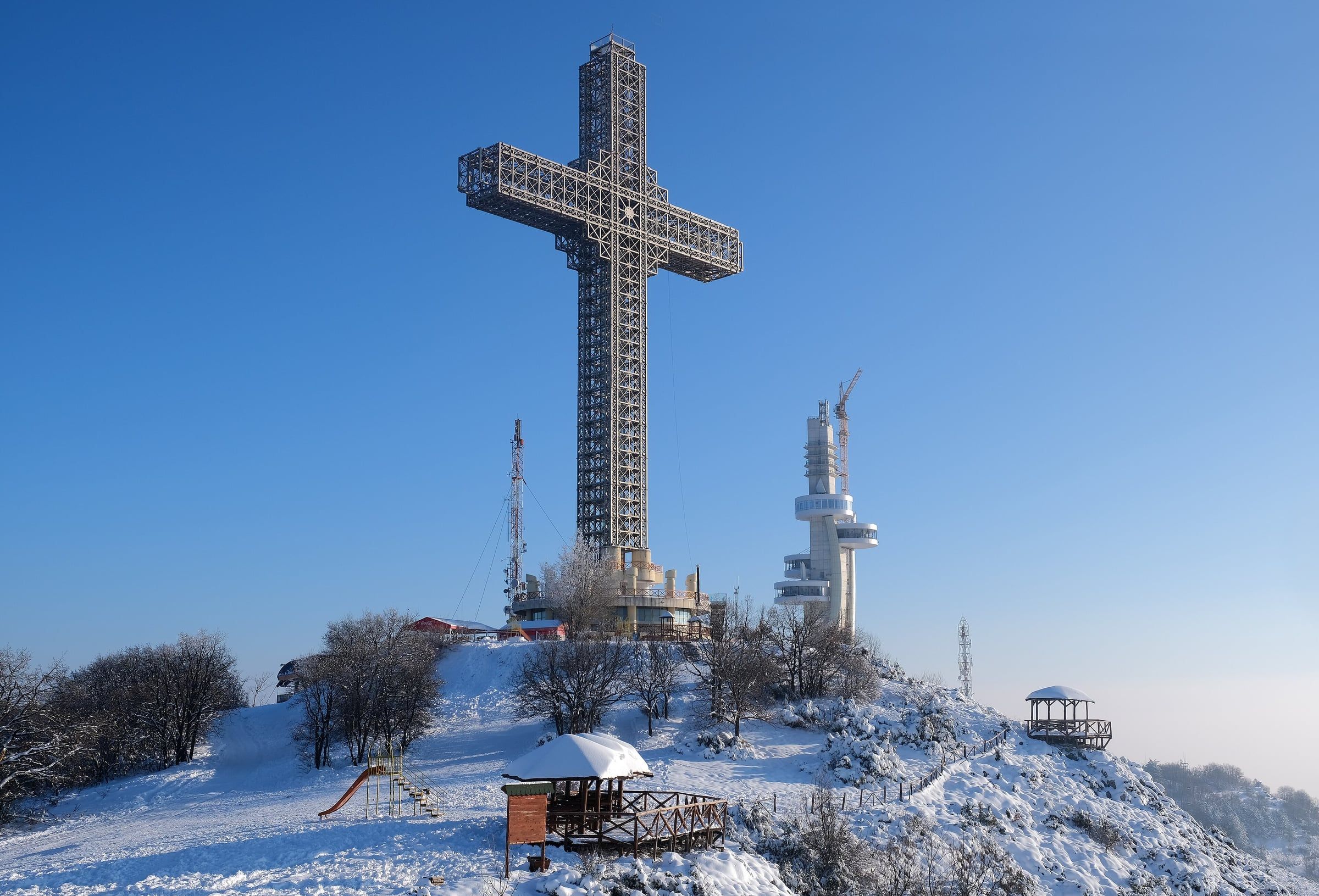
Yes, and it earns more of your day than the cross if the Vodno cable car is still shut. If you have one day in Skopje, this is the part of the city worth seeing. For a longer stay, the Millennium Cross is the next easy trip, and Lake Ohrid is the big one. The nearby day trips page ties them together.